
A clinically grounded breathwork method for deep healing, clarity, and transformation.
Evidence-based. Manualized. Therapist-tested. Client-approved.
GRMT offers a safe, reliable, and powerful way to integrate core conflicts, resolve somatic trauma, and support meaningful, lasting change.
Guided Respiration Mindfulness Therapy (GRMT) was developed by Dr. Lloyd Lalande after four decades of clinical breathwork practice. GRMT is a standardized, evidence-based approach designed for mental health settings, offering a safe, reliable, and deeply transformative method for integrating core conflicts and somatically stored trauma.
Therapists value GRMT for its effectiveness in bypassing defensive structures and creating meaningful, lasting change—often beyond what standard cognitive-behavioural approaches can achieve. Clients consistently report immediate stress reduction, deep relaxation, emotional clarity, and rapid improvements in depression and anxiety symptoms. Many describe a renewed sense of wellbeing and spontaneous positive shifts in daily life.
With the development of GRMT grounded in clinical research, Buddhist psychology, and long-term breathwork practice, it represents a leading-edge evolution in therapeutic breathwork. Delivered in a focused 60-minute experiential process, GRMT offers a powerful pathway for healing, insight, and personal transformation.
To learn more or explore training and sessions, you’re warmly invited to connect with Dr. Lloyd Lalande.
The Development of Guided Respiration Mindfulness Therapy (GRMT)
An Extensive History of Breathwork Practice
Lloyd’s journey into breathwork therapy began as a teenager in New Zealand in the mid-1970s. During this early search for deeper self-awareness, he explored meditation, fasting, self-analysis, and cognitive change techniques. These practices eventually led him to breathwork, where he discovered a profoundly transformational method for understanding the mind–body connection.
He began practicing transformational breathwork at age 22.
“I remember my first taste of breathwork so clearly. The energy I felt in my body was so powerful it frightened me at first, I had to stop after only about 10 minutes! But I thought, wow, I just created that with my breathing — and it somehow feels very important. From that moment, I knew this was something I needed to explore more deeply.”
These early experiences shaped every aspect of Lloyd’s later career in counselling, psychotherapy, academic teaching, and doctoral research. Today, he has more than 40 years of personal breathwork practice and over 30 years developing clinically oriented breathwork for therapeutic settings.
Early Influence: Rebirthing Breathwork and Integrative Approaches
Lloyd’s formal introduction to breathwork came in the early 1980s through the original Rebirthing work of Leonard Orr and the Loving Relationships Training (LRT) developed by Sondra Ray. He later worked as an assistant facilitator with LRT. His thinking was also shaped by the work of Phil Laut and Jim Leonard, who eventually developed Vivation, another early conscious-breathing method.
During this intense period of exploration, Lloyd practiced conscious breathing in both warm and cold water. Warm-water sessions are known for bringing forward stored somatic memory — particularly relating to birth trauma — while cold-water sessions can activate and integrate fear-of-death experiences. Through this deep engagement, Lloyd became a certified breathwork practitioner, and later a supervisor and trainer.
The Development of Guided Respiration Mindfulness Therapy (GRMT)
As Lloyd continued his psychotherapy work alongside breathwork practice, it became clear that for breathwork to be accepted within clinical and mental health environments, it needed to be both scientifically grounded and clinically safe. Traditional breathwork methods often produce profound states of relaxation and altered consciousness, yet they can also evoke intense somatic and cognitive material, including spontaneous regression.
To ensure consistent therapeutic outcomes, breathwork needed:
-
A coherent theoretical foundation
-
Reliable mechanisms of change
-
Clear protocols for safety and optimization of integration
-
Training methods suitable for clinicians
-
Evidence from clinical trials
Guided Respiration Mindfulness Therapy (GRMT) emerged from this need.
A Clinically Grounded Breathwork Model
GRMT is the result of many years of clinical refinement combined with Lloyd’s doctoral research, which investigated the mechanisms of change involved in therapeutic breathwork and established training methods for mental health professionals. GRMT has been evaluated in clinical trials for depression and anxiety, demonstrating measurable improvements in psychological wellbeing.
Evidence-Based Outcomes
Recent research shows that GRMT is effective in:
-
Reducing psychological distress
-
Increasing mindfulness
-
Enhancing self-compassion
-
Supporting emotional regulation in high-stress professions
-
A study involving full-time clinical nurses found significant positive outcomes, highlighting GRMT as a promising approach for healthcare workers and mental health practitioners seeking evidence-based breathwork interventions.
-
Ongoing research into GRMT for chronic pain is also showing exciting promise.
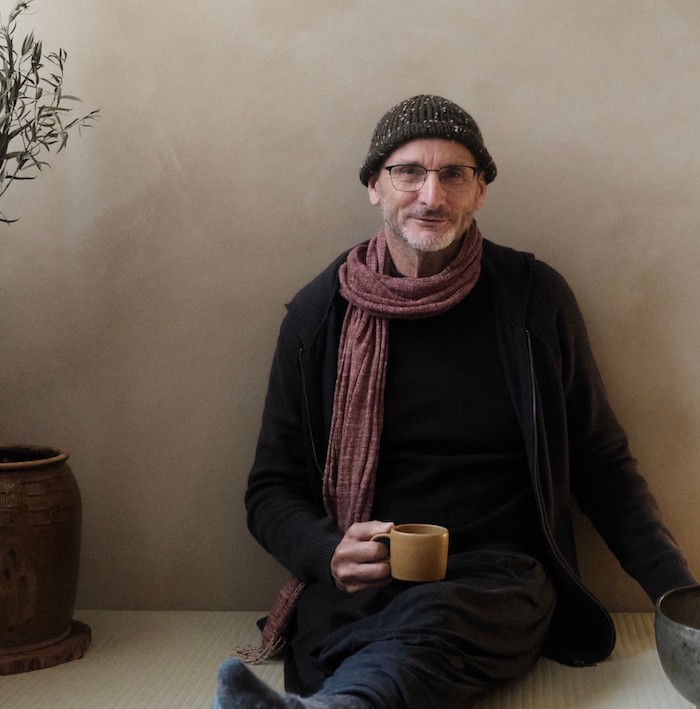
Lloyd is the developer of GRMT, a clinical approach to breathwork. He provides individual and group sessions of GRMT, practitioner training and supervision, and is involved in ongoing GRMT research.
Accademic/Professional Background:
- PhD from the School of Psychology and Counselling - Queensland University of Technology (QUT), Australia
- Post Grad Certificate in Mental Health (Psychotherapy) - Department of Psychiatry, School of Medicine, University of Queensland (UQ)
- Bachelor of Psychology, QUT.
- Coordinator of Master and Undergraduate programs in clinical counselling at the Australian Catholic University for a number of years and taught within the Master of Clinical Psychology program.
- In Taiwan, worked as Assistant Professor teaching psychology at the TzuChi Buddhist University in Hualien, and conducting GRMT research at the TzuChi Buddhist General Hospital.